
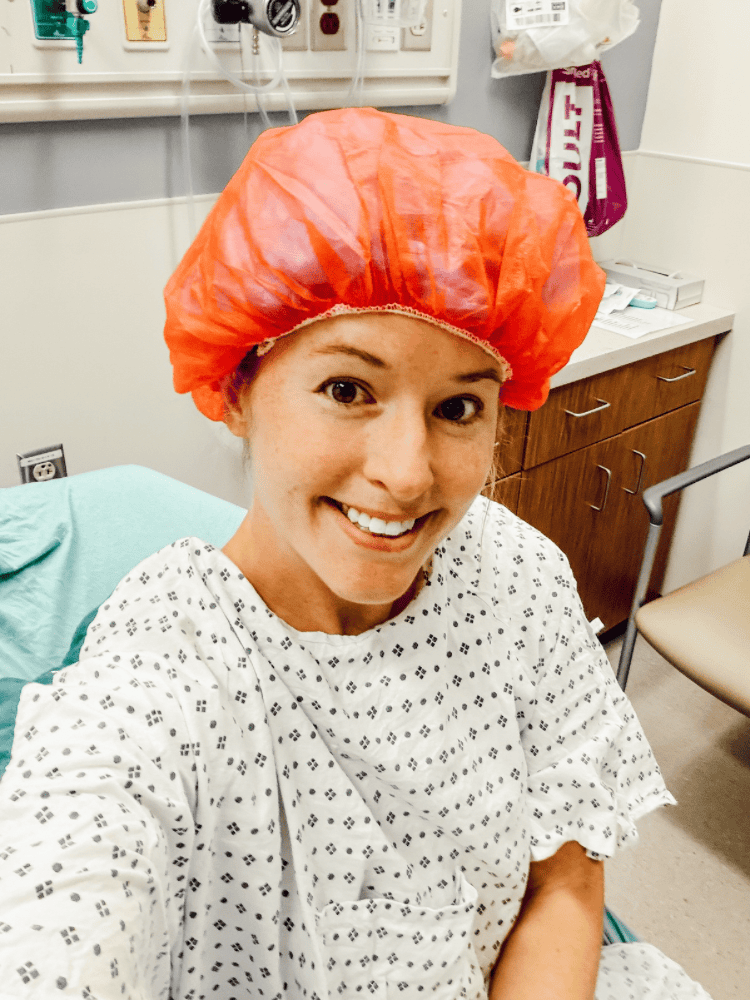
If you’ve noticed I’ve been less active on my blog and social media lately, there’s a reason: I’ve been struggling with endometriosis.
On April 29, 2026, I underwent endometriosis excision surgery, hoping it would finally provide relief from years of chronic pain and debilitating symptoms. This was my second surgery for endometriosis, but my first true excision surgery.
Like many women, I went into surgery hoping I would wake up feeling like a completely new person. Unfortunately, recovery has been much more complicated than I expected.
Today, I want to share my complete endometriosis journey, from my symptoms and diagnosis to surgery, recovery, and where I am now. My hope is that this post helps other women recognize the signs of endometriosis, find proper treatment, and know they are not alone.
Endometriosis affects an estimated 1 in 10 women, yet it still takes an average of 7–10 years to receive a diagnosis. Even more frustrating, the only definitive way to diagnose endometriosis is through laparoscopic surgery.
Women’s healthcare deserves better. Until we have better diagnostic tools and treatments, sharing our stories is one of the most powerful ways we can raise awareness.
If you’re experiencing chronic pelvic pain, severe menstrual cramps, unexplained fatigue, or other symptoms, keep reading. This is my real-life experience with endometriosis and excision surgery.
This post also contains affiliate links, which means I make a small commission off anything you purchase through here, at no additional cost to you. Please read my full Disclosure policy for more details.
What Are The Main Symptoms Of Endometriosis?
One of the most frustrating parts of living with endometriosis is being told that your symptoms are “normal” or “all in your head.”
For years, I was told my pain was simply part of being a woman. In reality, many common endometriosis symptoms are often overlooked or dismissed by healthcare providers.
Common Symptoms of Endometriosis
- Severe menstrual cramps (dysmenorrhea)
- Chronic pelvic pain
- Chronic lower back pain
- Pain during or after sex (dyspareunia)
- Digestive issues and bloating
- Painful bowel movements
- Painful urination
- Chronic fatigue
- Heavy menstrual bleeding
- Infertility
- Brain fog
- Nausea
- Hip and leg pain
While these are some of the most common symptoms, every woman’s experience with endometriosis is different.
It’s important to understand that endometriosis is not just a “bad period.” It is a chronic inflammatory disease that can affect multiple organ systems throughout the body and significantly impact quality of life.
As I’ve gotten older, my symptoms have become more severe and more frequent, affecting nearly every aspect of my daily routine.
How I Was Diagnosed With Endometriosis
If you experience several of the symptoms listed above, it’s worth discussing the possibility of endometriosis with your healthcare provider.
In my case, I was somewhat fortunate because my mother also had endometriosis. Because of my family history, my OB-GYN was more willing to consider endometriosis as a potential diagnosis.
However, even with a strong family history, I wasn’t officially diagnosed until I was 27 years old. The truth is that I had been experiencing painful periods and symptoms since I was 12.
For years, I questioned myself. Was the pain really that bad? Was I overreacting? Was it all in my head? I was terrified of having surgery just to find answers.
At the time, I didn’t understand the difference between ablation surgery and excision surgery. I also didn’t realize that most general OB-GYNs receive limited specialized training in endometriosis treatment.
In 2020, after years of pain, I finally scheduled a diagnostic laparoscopy. Then COVID happened. My surgery was canceled because it was considered an “elective procedure.”
At the time, I felt completely defeated. I was already struggling with significant pain, and having the procedure postponed felt devastating.Thankfully, the surgery was rescheduled a few weeks later.
Because of COVID restrictions, my husband wasn’t allowed to accompany me, making an already stressful experience even more difficult. Despite my fears, I went through with the surgery. And finally, I got my answer.
The surgeon found endometriosis all throughout my pelvis. For the first time in my life, I felt validated. My pain was real. It wasn’t anxiety. It wasn’t stress. And it definitely wasn’t all in my head.
Ablation vs. Excision Surgery: What’s the Difference?
One of the biggest things I wish I had known when I was first diagnosed with endometriosis was the difference between ablation surgery and excision surgery.
My first surgery was an ablation procedure, which is what many general OB-GYNs are trained to perform. At the time, I assumed all endometriosis surgeries were essentially the same. Unfortunately, that’s not the case.
Endometriosis ablation surgery uses heat or a laser to destroy the surface of endometriosis lesions. While this can provide temporary relief, it often leaves the deeper portions, or “roots,” of the lesions behind. Because of this, symptoms and endometriosis growth can return over time.
Endometriosis excision surgery, on the other hand, involves cutting out the entire lesion, including the tissue beneath the surface. This is considered the gold standard treatment for endometriosis by many specialists because it removes more of the disease and may reduce the likelihood of recurrence.
That doesn’t mean excision surgery is a cure. Endometriosis can still return, and every case is different. However, excision surgery is generally considered a more thorough and effective long-term treatment option than ablation alone.
One challenge is that excision surgery requires specialized training, and finding a qualified endometriosis excision specialist can be incredibly difficult. I spent months researching surgeons, reading reviews, and joining support groups before I finally found the right surgeon for me.
Where I Had My Endometriosis Excision Surgery
Since I live in North Carolina, I spent a lot of time researching the best options for endometriosis excision surgery in North Carolina.
One of my biggest priorities was finding a surgeon who was not only experienced in excision surgery but also accepted insurance. Unfortunately, many highly regarded endometriosis specialists operate outside of insurance networks, making treatment financially out of reach for many patients.
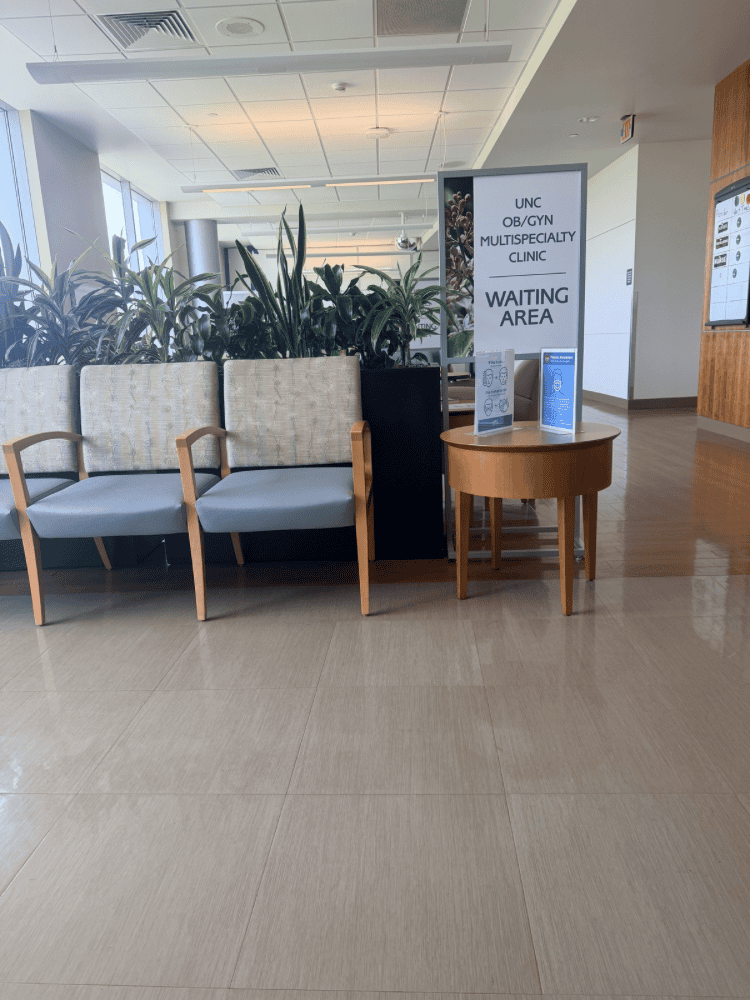
After months of research, I ultimately chose to have my surgery at the University of North Carolina’s Hillsborough campus.
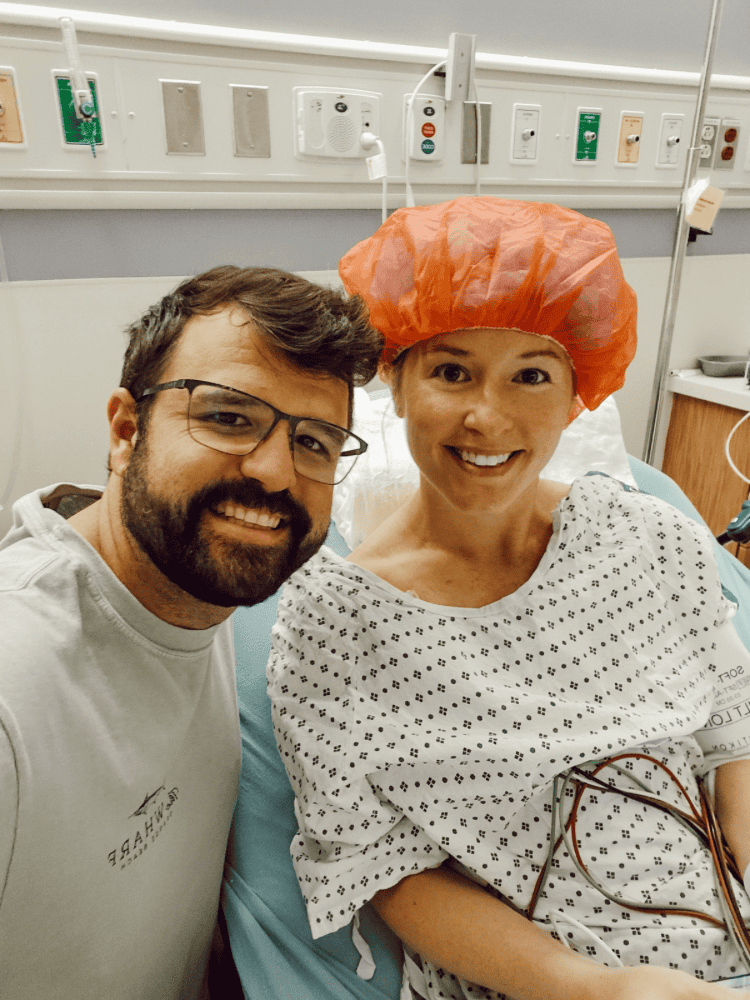
My surgeon was Dr. Gina Silverstein, and I truly cannot say enough positive things about her and her team. From my very first consultation, I felt heard, validated, and taken seriously.
After years of dealing with chronic pain and searching for answers, having a medical team that genuinely listened made an enormous difference.
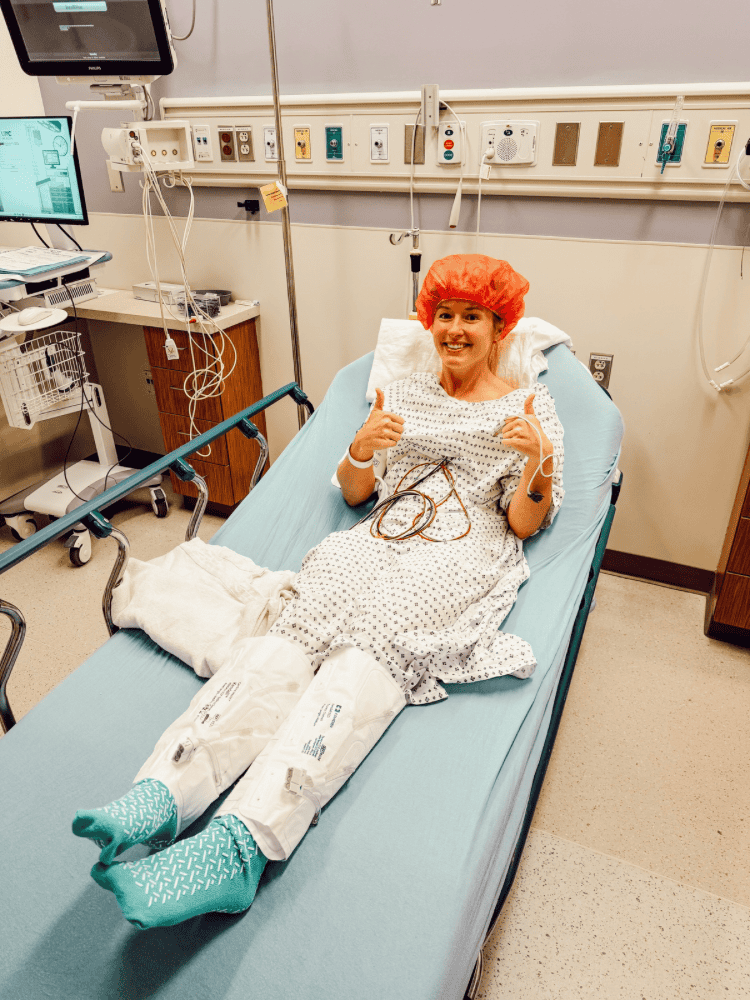
On surgery day, every nurse, physician, and member of the operating room team introduced themselves and took the time to answer my questions. Their kindness and professionalism helped ease so much of the anxiety I felt leading up to the procedure.
How Long Does Excision Surgery Take?
One of the most common questions patients ask is, “How long does endometriosis excision surgery take?”
The answer depends entirely on the severity and location of the disease.
Although imaging studies such as MRIs can sometimes identify endometriosis, many lesions are too small or hidden to appear on scans. Because of this, surgeons often don’t know the full extent of the disease until the procedure begins.
For some patients, surgery may take only an hour or two. For others with extensive endometriosis affecting multiple organs, surgery can last several hours.
In my case, the procedure lasted approximately two hours.
Before surgery, my surgeon explained that endometriosis can sometimes affect organs such as the appendix, bladder, bowel, and reproductive organs. In some cases, additional procedures may be necessary if the disease has spread extensively.
Thankfully, my appendix was healthy and did not need to be removed.
One thing many people don’t realize is that endometriosis is much more than a painful period. It is a chronic inflammatory disease that can affect multiple organs throughout the body and significantly impact a person’s quality of life.
After my first surgery years ago, I felt like I wasn’t fully educated on the long-term realities of endometriosis. At the time, my primary treatment recommendations were hormonal birth control or pregnancy. While those options may help manage symptoms for some women, neither is considered a cure for endometriosis.
What They Found During My Endometriosis Excision Surgery
Going into surgery, one of our biggest concerns was whether the endometriosis had spread to my bowels.
I had been experiencing significant digestive symptoms, chronic bloating, and gastrointestinal issues, so naturally this was a major worry.
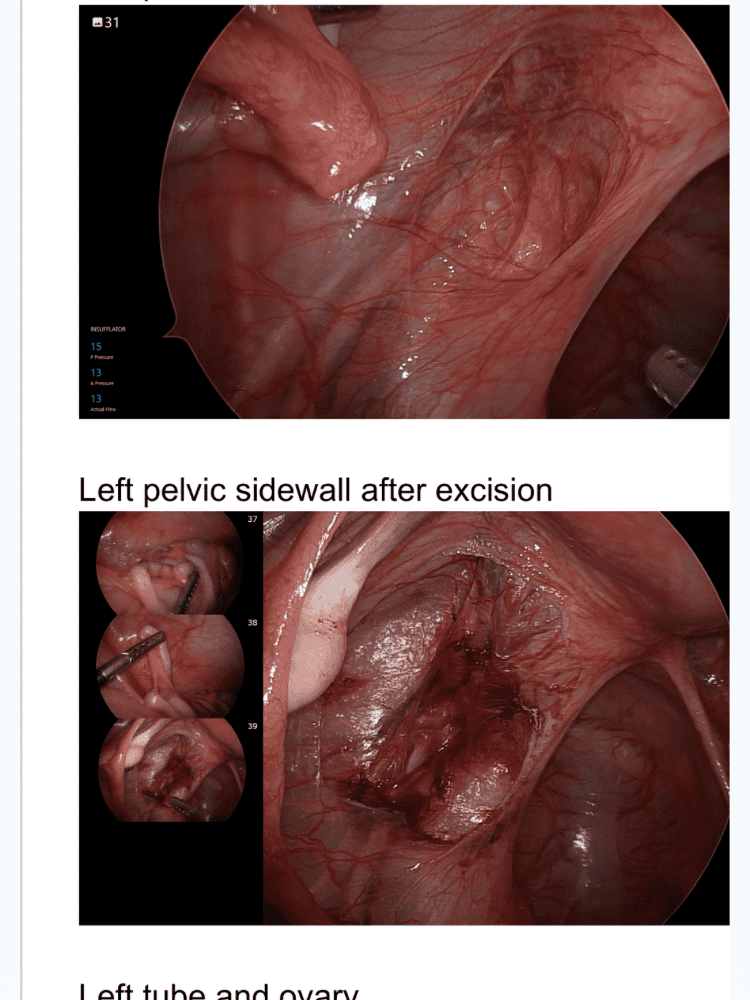
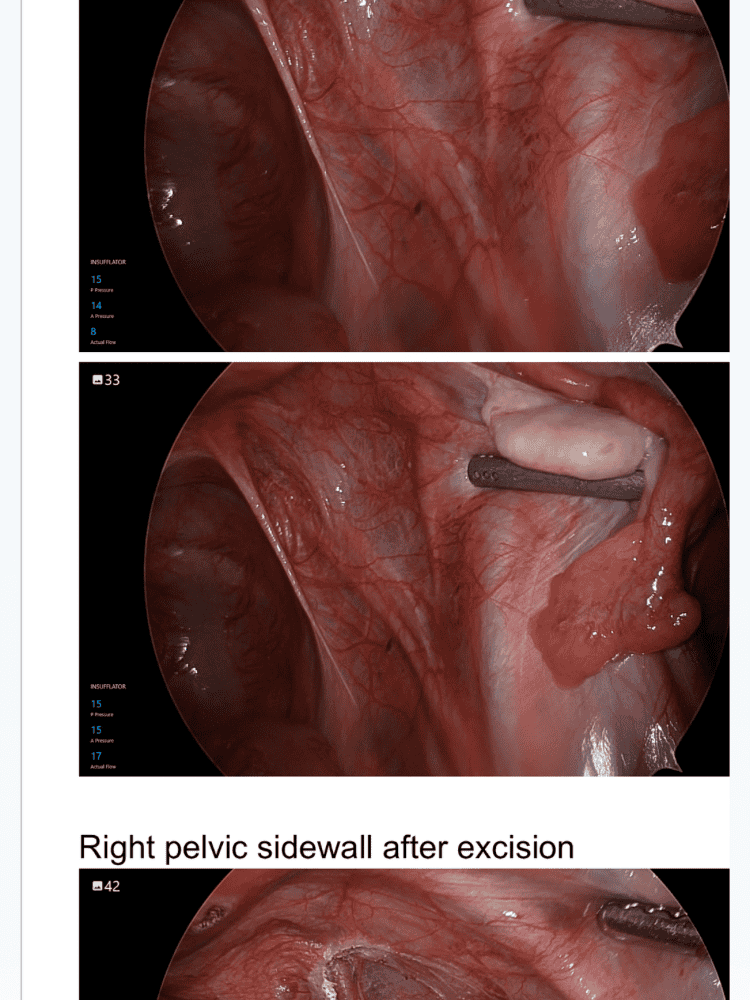
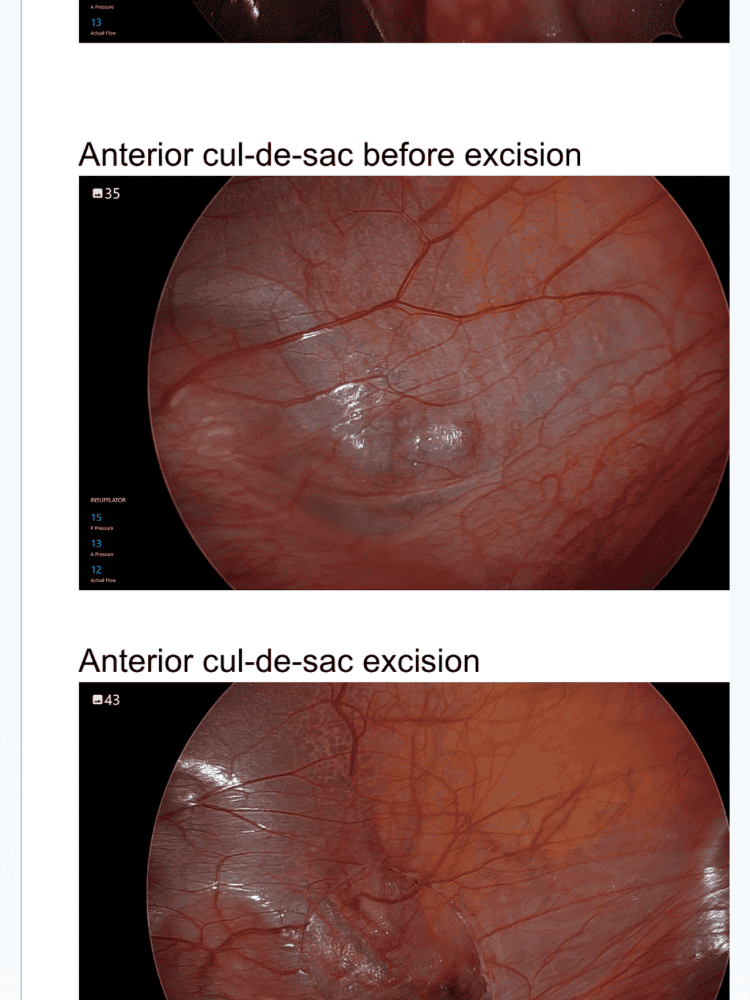
Thankfully, my surgeon did not find endometriosis lesions on my actual bowel. However, she did remove a nodule located very close to the bowel, which could have caused problems if left untreated.
I was incredibly relieved to learn that no organs needed to be removed during surgery.
We were also concerned about my fallopian tubes because my previous surgery had revealed significant endometriosis involvement, and my OB-GYN had been unable to open them at that time.
Before surgery, we discussed the possibility that my tubes might need to be removed if extensive disease was present. Fortunately, once my surgeon evaluated them, she determined they were healthy overall and only required excision of a few endometriosis lesions.
Although she was still unable to open my tubes, she felt they looked healthy enough to preserve.
Ultimately, I was diagnosed with Stage 2 endometriosis.
To be honest, I was surprised by that diagnosis. Based on the severity of my symptoms, including chronic pelvic pain, lower back pain, digestive issues, and fatigue; I expected the disease to be much more advanced.
However, one thing I’ve learned throughout this journey is that the stage of endometriosis doesn’t always correlate with the level of pain someone experiences. Some women with minimal disease experience severe symptoms, while others with advanced endometriosis may have very few symptoms at all.
What To Pack For Endometriosis Excision Surgery
If you’re preparing for endometriosis excision surgery, one of the biggest questions you may have is: What should I pack for surgery and recovery?
Since my surgery was over three hours away from home, I wanted to be as prepared as possible. Even though excision surgery is typically an outpatient procedure, we decided to stay overnight near the hospital rather than make the long drive home immediately after surgery.
Looking back, I’m so glad we did.
My Endometriosis Surgery Packing List
Here are the items that made the biggest difference during my recovery:
Seat Belt Pillow
One of the first things I ordered was a seat belt pillow. After laparoscopic surgery, even small amounts of pressure against your abdomen can be uncomfortable. Having that extra cushioning made the ride home much more manageable.
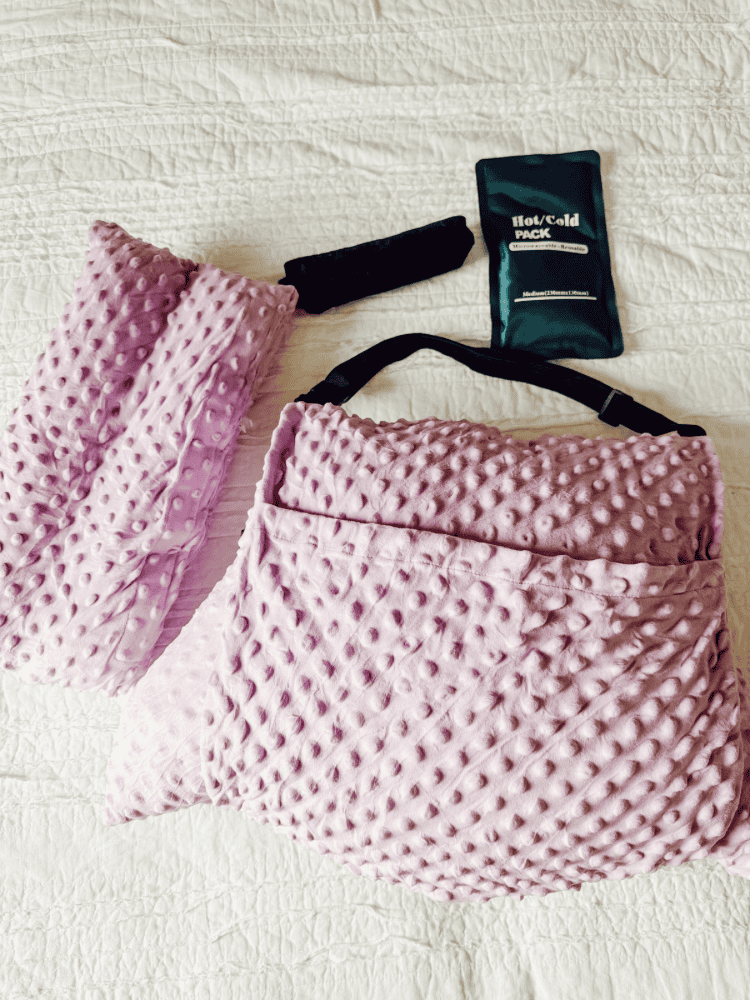
Hysterectomy Recovery Pillow
Even though I wasn’t having a hysterectomy, I found a hysterectomy pillow incredibly helpful during recovery. It protected my incisions from accidental bumps and prevented my cats from jumping directly onto my stomach while I was resting.
The pillow also included a removable hot and cold pack, which became one of my favorite recovery tools. A few days after surgery, my incisions became extremely itchy, and the cold pack provided much-needed relief.
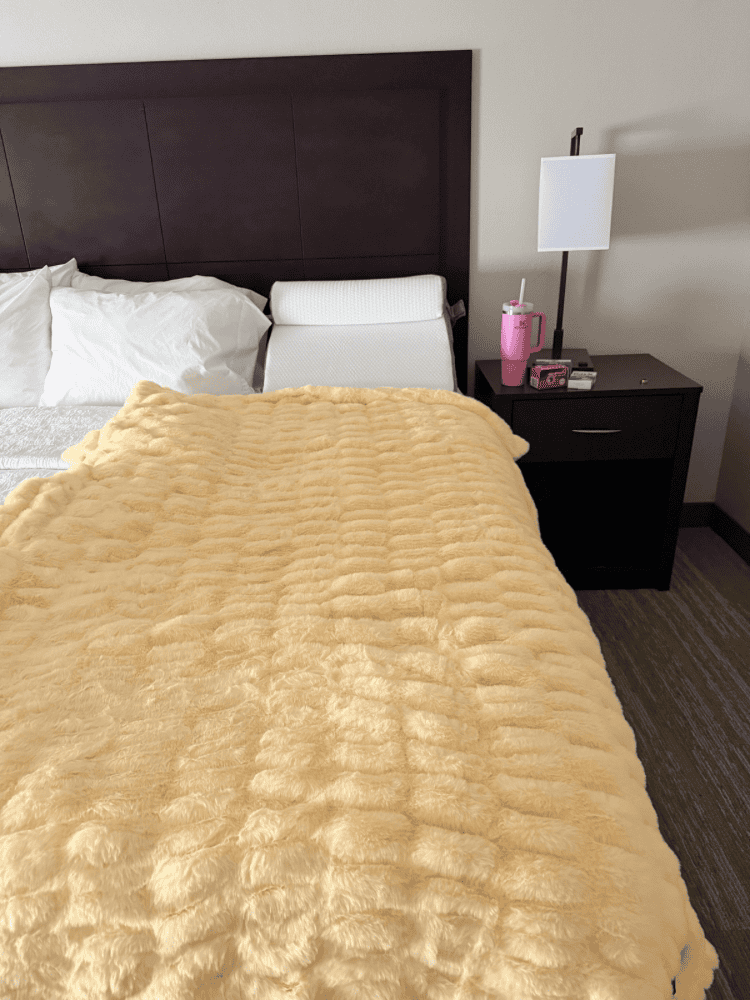
Wedge Pillow
As someone who normally sleeps on my stomach, finding a comfortable sleeping position after surgery was challenging.
A wedge pillow made sleeping much easier and helped me get in and out of bed without putting too much strain on my abdominal muscles. If you’re recovering from endometriosis surgery, I highly recommend adding one to your recovery setup.

Period Panties
Before surgery, I also ordered some period panties so I didn’t have to worry about leaks and spotting. You will bled for a few days after surgery so you definitely need to be prepared for that. And don’t worry, that’s completely normal during recovery!
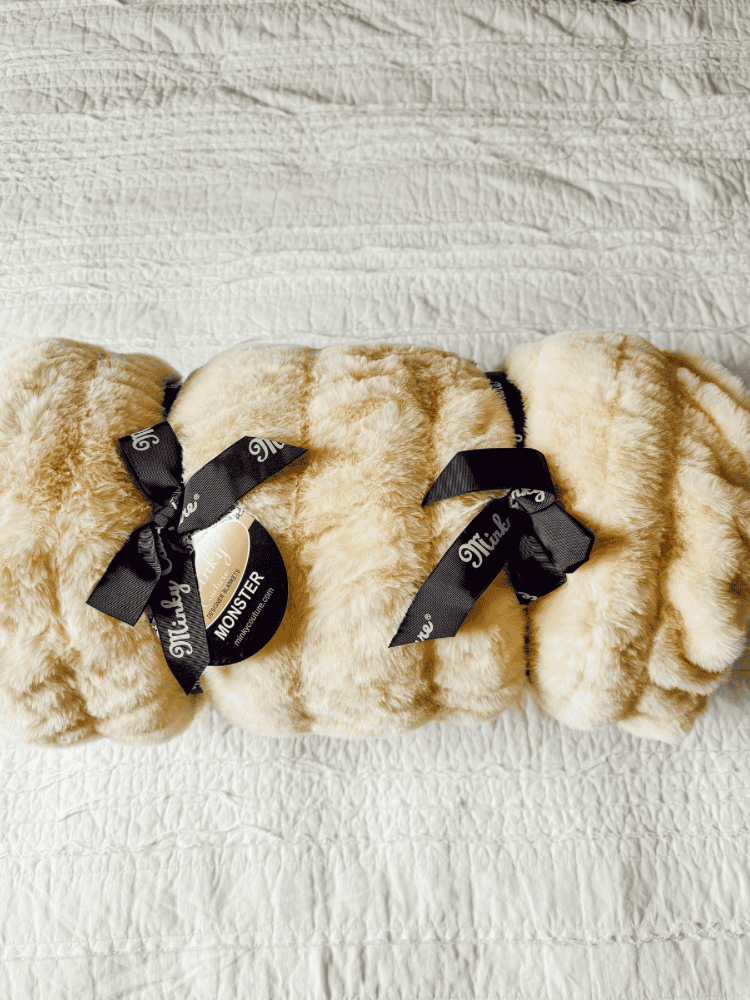
Comfy Blanket
This might sound simple, but bringing a cozy blanket from home made a huge difference for me emotionally. I packed my favorite Minky blanket, and having something familiar nearby made the hospital stay feel a little less stressful.
As a fun bonus, mine was yellow, the official color of endometriosis awareness.
My Kindle
I also packed my kindle and had it loaded down with a lot of good books too. Reading was a big part of my recovery as well. It definitely helped keep my mind off things!

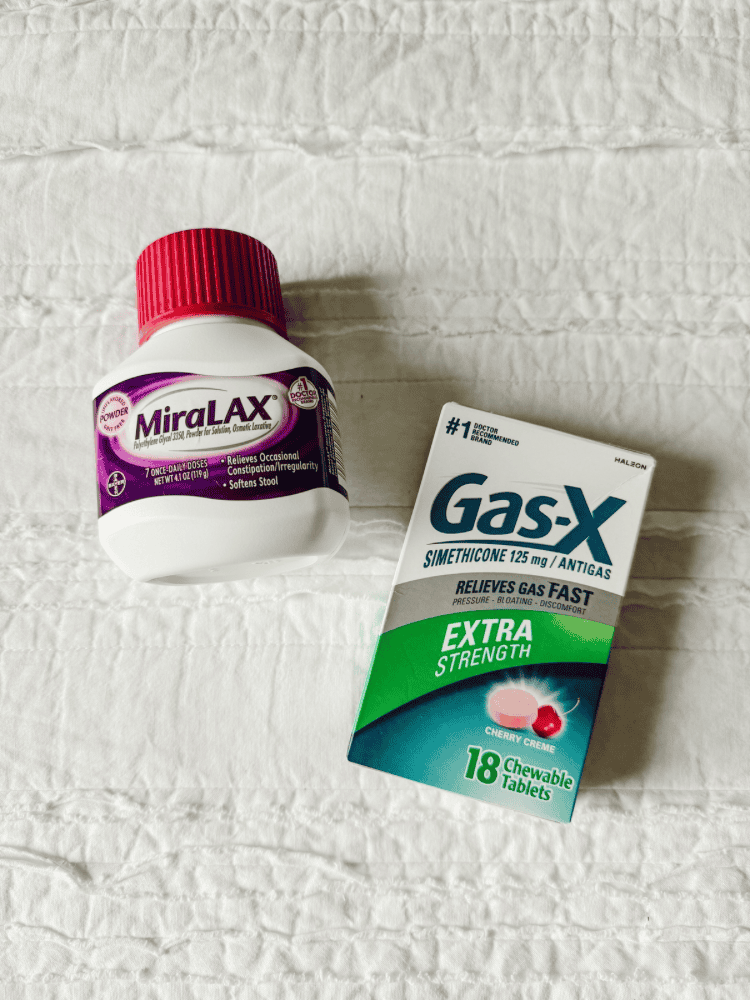
Miralax, Gas-X, and Hydration Supplies
One thing many people don’t realize about laparoscopic surgery is that the abdomen is inflated with gas during the procedure. Afterwards, that trapped gas can cause significant discomfort and shoulder pain.
For me, Gas-X was a lifesaver.
I also started taking Miralax about a week before surgery and continued using it for several weeks afterward. My surgeon also prescribed Colace to help prevent constipation, which can be a common side effect of surgery and pain medications.
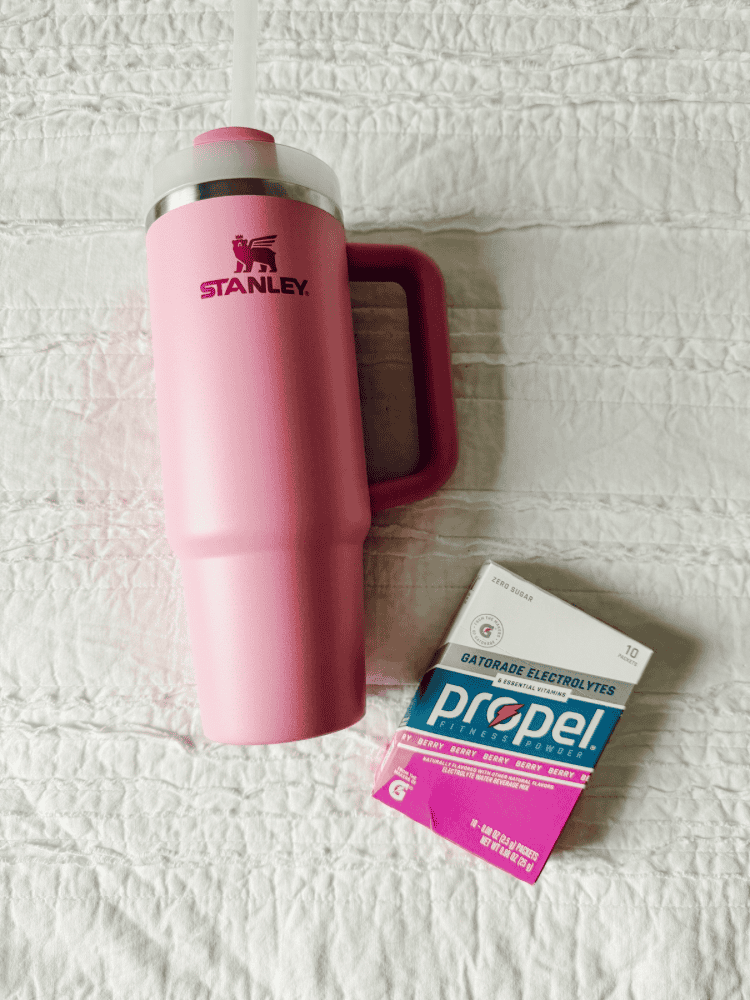
In addition, I made sure to stay hydrated with plenty of water in my Stanley cup and electrolyte drinks throughout recovery.
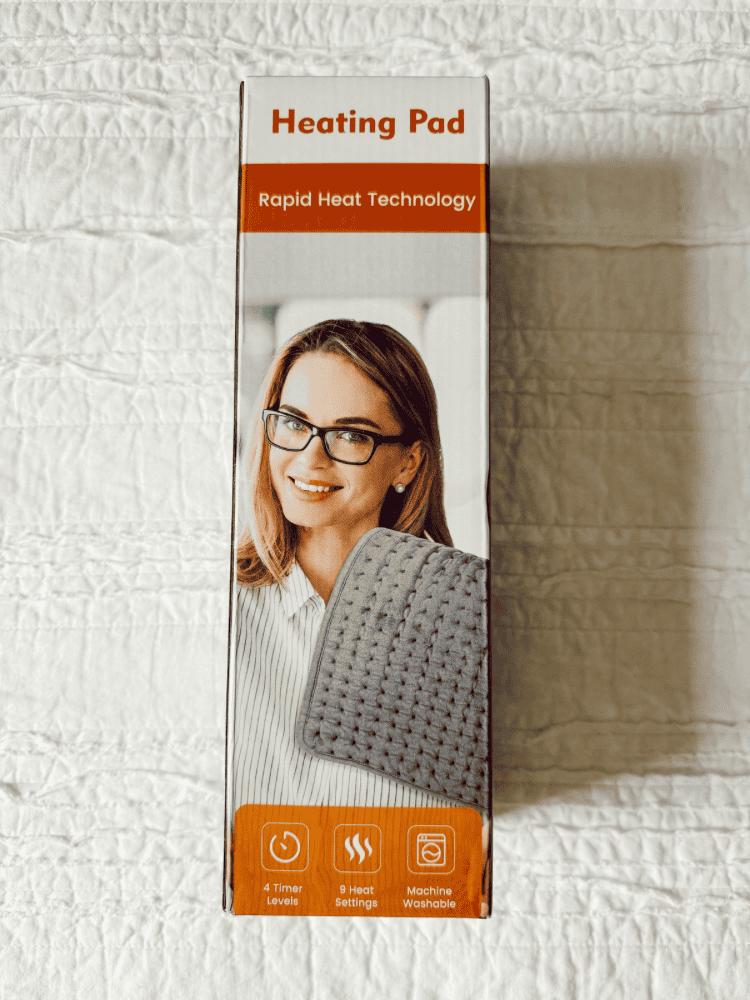
Heating Pad
I never travel without my heating pad, and surgery recovery was no exception. I’ve dealt with chronic lower back pain for years, and having a heating pad nearby helped me stay comfortable while resting.
Endometriosis Surgery Recovery Essentials
If I had to narrow down my recovery must-haves, they would be:
- Seat belt pillow
- Recovery pillow
- Wedge pillow
- Ice packs
- Heating pad
- Miralax
- Gas-X
- Electrolytes
- Comfortable loose clothing
- Plenty of water
Having these items ready before surgery helped me feel much more prepared and reduced a lot of my anxiety heading into the procedure.
How Was My Endometriosis Excision Surgery Recovery?
I’ll be honest: recovery was harder than I expected.
Immediately after surgery, I felt relatively okay thanks to the medications administered at the hospital. However, once I got home, the reality of recovery quickly set in.
One of the biggest lessons I learned was the importance of staying ahead of the pain.
For the first several days, I followed my surgeon’s pain management schedule closely, alternating Tylenol and Ibuprofen as directed. I even set alarms throughout the night so I wouldn’t miss a dose.
For me, days four and five were the hardest.
My abdomen felt incredibly sore, and my lower back pain became intense. It honestly felt like my entire core had been through a cheese grater.
Thankfully, after those difficult days passed, recovery became much more manageable.
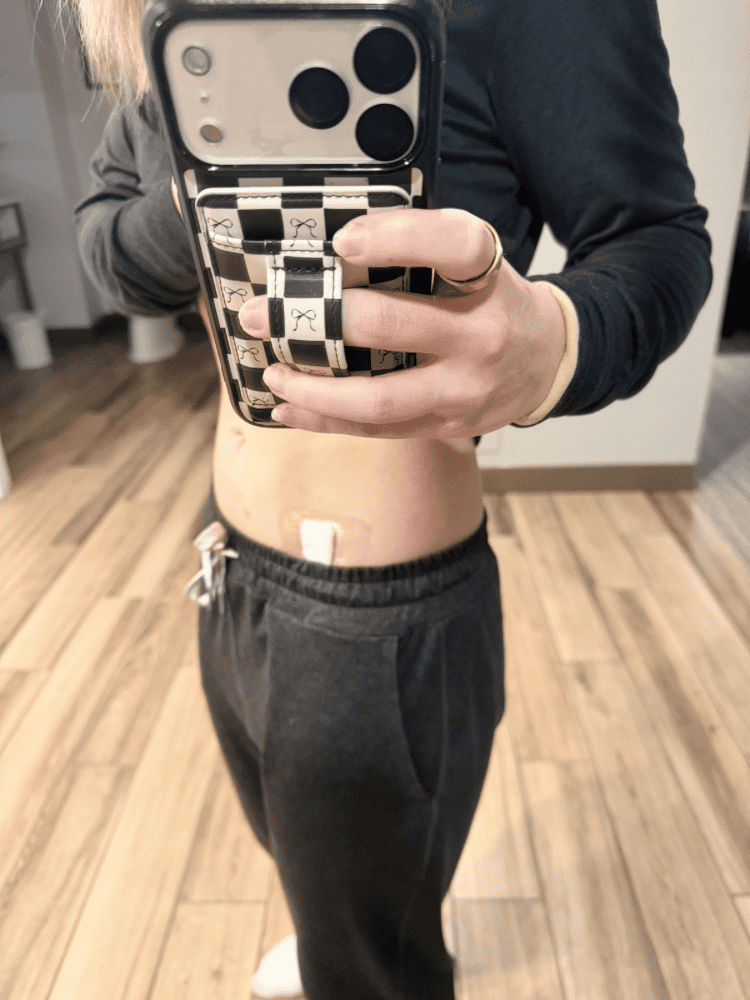
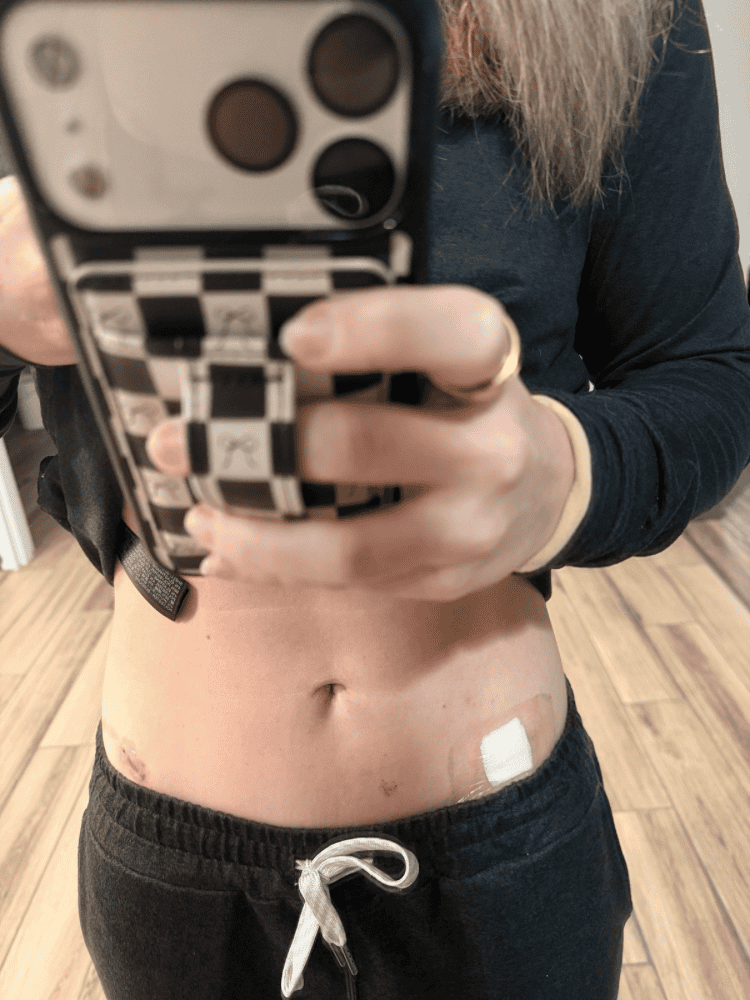
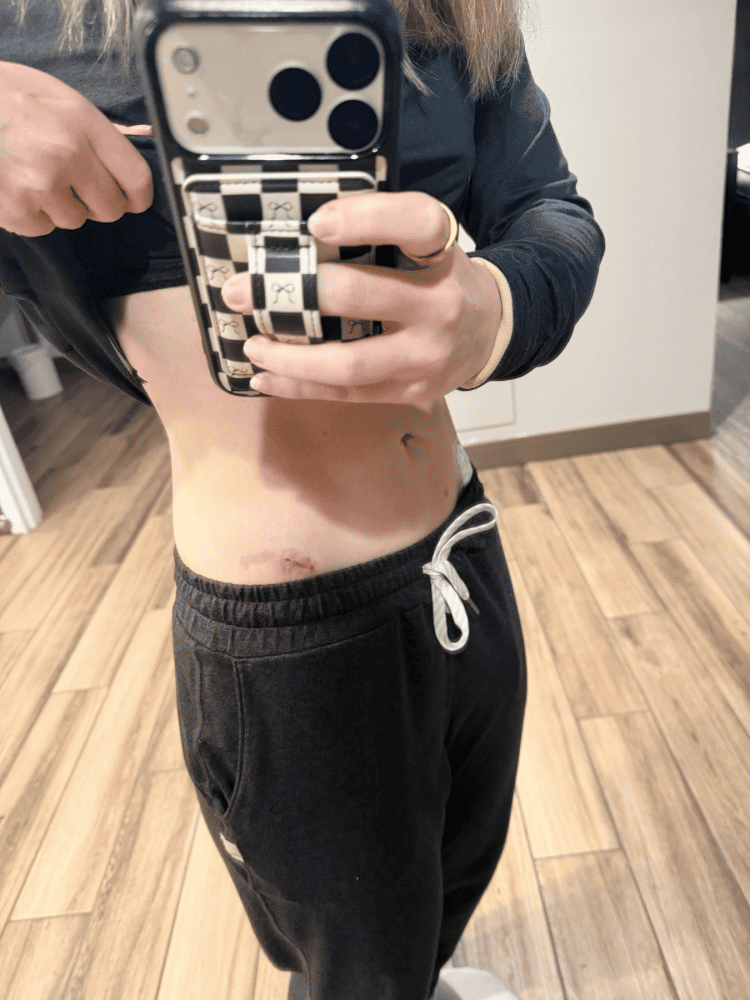
I had four laparoscopic incisions, one in my belly button, one lower incision, and one on each side of my abdomen. A few days after surgery, they became extremely itchy as they healed. The surgical glue eventually started peeling off, which was both fascinating and slightly gross.
Now, several weeks later, my incisions have healed nicely and no longer bother me.
How Long Should You Take Off Work After Endometriosis Surgery?
One of the most common questions patients ask is how much time they should take off work after endometriosis excision surgery.
The answer varies from person to person, but I personally took four weeks off work, and I’m incredibly grateful that I did.
By the two-week mark, my surgical pain had improved significantly. However, the fatigue was overwhelming.
Simple activities like attending a pelvic floor physical therapy appointment would leave me exhausted for the rest of the day.
There is absolutely no way I could have returned to full-time work after only two weeks.

How Do I Feel After Endometriosis Excision Surgery?
I wish I could tell you that surgery completely changed my life and eliminated all of my symptoms.
Unfortunately, that hasn’t been my experience.
While my surgical pain is gone, many of my original symptoms remain. I still experience lower back pain, fatigue, pelvic discomfort, and many of the same issues that led me to seek surgery in the first place.
Because of this, my surgeon believes there may be additional conditions contributing to my symptoms.
Many people with endometriosis also have overlapping conditions such as:
- MCAS (Mast Cell Activation Syndrome)
- POTS (Postural Orthostatic Tachycardia Syndrome)
- EDS (Ehlers-Danlos Syndrome)
I experience symptoms that overlap with several of these conditions, but getting answers hasn’t been easy.
Finding knowledgeable specialists can be incredibly difficult. In fact, one specialist I contacted has a wait list of 2-3 YEARS.
While that can feel discouraging at times, I’m continuing to advocate for myself and search for answers.
For now, I’m focusing on taking things one day at a time and giving my body the grace and patience it deserves.
Do I Regret Having Endometriosis Excision Surgery?
Despite the challenges, I do not regret having surgery. Not for a second.
Even though I haven’t experienced immediate symptom relief, surgery gave me valuable information about my health. We now know that endometriosis is likely not the only factor contributing to my pain.
Most importantly, I finally found a surgeon who continues to support me even after surgery.
Instead of dismissing my concerns, she is helping me investigate other possible causes and guiding me through the next steps.
That level of care means everything when you’re living with a chronic illness.
If you’re struggling with endometriosis, chronic pelvic pain, or any invisible illness, please know that you’re not alone. This journey can feel isolating, but there are so many women walking a similar path.
Sharing my story is my way of helping raise awareness for endometriosis, advocating for better women’s healthcare, and hopefully helping someone else feel a little less alone.






Thank you for sharing your story here. I am so sorry to hear that the surgery didn’t fix your symptoms.
I may be facing a similar surgery, so I really appreciate the post-surgery supplies list.
Giant hugs to all of us who suffer from painful symptoms that doctors don’t always know how to/want to treat!